The End of Crypto’s EU Grandfather Clause
The EU’s MiCA grace period ends July 1, 2026. Here’s what changes, what happens to unlicensed crypto platforms, and how users can check compliance.

What MiCA is and why this deadline exists
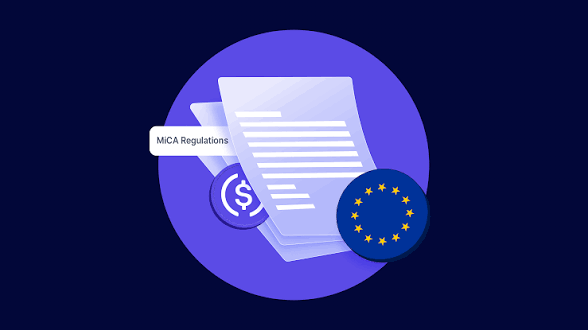
MiCA is the EU’s Crypto-Assets framework, regulation (EU) 2023/1114. It applies the same way across all 27 member states, replacing the patchwork of national regimes with a single authorization process for crypto-asset service providers, or CASPs.
The law didn’t arrive all at once. For 18 months, article 143(3) let firms that were providing crypto services before December 30, 2024, keep operating while their MiCA application was pending; this window closes on July 1, 2026. During MiCA’s adoption, both dates were fixed, not announced as a surprise this year. The European Securities and Markets Authority (ESMA) has been signaling the transition for over a year, including statements in December 2024 and April 2026, both reiterating that there would be no extension.
What happens on July 1
According to ESMA’s April 17 statement (ESMA75-113276571-1679), any firm serving EU clients without MiCA authorization after July 1 is operating in breach of EU law and must cease its operations.
Unauthorized CASPs must have wind-down plans already in place, not just drafted, and must arrange for the clients’ assets to be moved to an authorized CASP or self-hosted wallet. Clients will be notified before any plans take effect. ESMA is explicit that wind-down plans without any ability to execute won’t meet the required bar.
The statement also closes off an obvious workaround. CASPs attempting to claim reverse solicitation can’t use the practice systematically. Non-EU firms actively marketing to EU clients won't be able to claim a client-initiated contact.
Tether’s USDT is the clearest preview of how this plays out. Coinbase removed USDT for EEA users in December 2024. Kraken moved it to sell only in March 2025 before disabling trading entirely. Binance delisted USDT along with eight other non-compliant stablecoins effective March 31, 2025. This does not signal a change in USDT’s reserves or solvency. It simply indicates that Tether never sought authorization under MiCA, so EU-licensed exchanges had no path to keep it listed without risking their licenses.
What this means for someone holding crypto with an EU-facing platform
To check, look into the ESMA Interim MiCA Register, updated weekly; this is a set of CSV files that will be carried into ESMA’s own IT systems later this year. Instead of assuming a familiar brand name is automatically authorized, it is worth checking for a CASP in the register. Regulators and law firms alike suggest moving assets to an authorized CASP or self-hosted wallet before the deadline.
Though commonly overlooked, it is important to mention that MiCA authorizations attach to a legal entity, not a brand or a corporate group. As addressed directly by ESMA’s statement, just because an affiliate holds a license doesn’t mean every platform under the name is licensed.
The bigger argument underneath the deadline
EU policymakers have made the case, since MiCA was adopted, that the framework is replacing 27 separate policies with different consumer protections with one standard meant to professionalize a market that has seen unregulated platforms collapse with customers’ funds inside them.
How the rule lands in practice is causing real tension. Critics argue that the AML and KYC infrastructure, compliance costs, capital requirements, and licensing fees favor firms that have already absorbed the overhead and push smaller or non-EU platforms to leave the market rather than build it out.
With both arguments having substance, the July 1, 2026, deadline doesn’t settle which one wins. It just marks the point where the EU eliminates room for unlicensed platforms to operate while the argument continues.